
Joint pain can be a persistent and debilitating challenge, affecting millions worldwide and significantly impacting quality of life. While various treatments exist, a powerful, often overlooked tool lies right in our kitchens: anti-inflammatory foods. Chronic inflammation is a major driver of joint discomfort, contributing to conditions like arthritis and general aches. By strategically incorporating specific foods into your daily diet, you can naturally combat inflammation, reduce pain, improve mobility, and foster long-term joint health. This comprehensive guide will explore the best anti-inflammatory foods and practical ways to integrate them for effective joint pain management.
Understanding Inflammation and Joint Pain
Before diving into specific foods, it’s crucial to grasp the link between inflammation and joint pain. Inflammation is your body’s natural response to injury or infection, a protective mechanism designed to heal. However, when this process becomes chronic, it can turn destructive, especially for your joints.
Acute vs. Chronic Inflammation
Acute Inflammation: Short-term, localized response to injury (e.g., a sprained ankle). It’s characterized by redness, swelling, heat, and pain, and it resolves once the threat is gone.
Chronic Inflammation: A prolonged, low-grade inflammatory response that persists for weeks, months, or even years. It can be triggered by factors like poor diet, stress, environmental toxins, and autoimmune conditions.
How Chronic Inflammation Harms Joints
In the context of joint pain, chronic inflammation attacks healthy tissues, leading to:
Cartilage Degradation: The protective cushioning between bones wears down.
Synovial Membrane Thickening: The lining of the joint capsule becomes inflamed and swollen.
Bone Erosion: In severe cases, inflammation can lead to damage to the underlying bone.
Increased Pain and Stiffness: Resulting in reduced mobility and daily discomfort.
Conditions like rheumatoid arthritis and osteoarthritis are prime examples where chronic inflammation plays a central role. Research indicates that dietary choices can significantly influence inflammatory markers in the body.
Actionable Takeaway: Recognize that persistent joint pain might be a sign of chronic inflammation. A diet rich in anti-inflammatory foods is a proactive step towards managing this underlying issue.
The Powerhouse: Omega-3 Fatty Acids
Omega-3 fatty acids are renowned for their potent anti-inflammatory properties. They are essential fats, meaning our bodies cannot produce them, so we must obtain them through diet.
Why Omega-3s Are Crucial for Joint Health
Omega-3s, particularly EPA (eicosapentaenoic acid) and DHA (docosahexaenoic acid), work by reducing the production of inflammatory compounds in the body, such as eicosanoids and cytokines. Studies have shown that regular intake can:
Decrease joint tenderness and stiffness.
Lessen the need for anti-inflammatory medications in some individuals.
Improve overall joint function and comfort.
Top Omega-3 Rich Food Sources
Fatty Fish:
Salmon: Wild-caught salmon is an excellent source. Aim for at least two 3.5-ounce (100g) servings per week.
Mackerel: Rich in omega-3s and vitamin D.
Sardines: A small, sustainable, and highly concentrated source.
Tuna: Albacore tuna, especially canned in water, provides a good amount.
Plant-Based Sources:
Flaxseeds: High in ALA (alpha-linolenic acid), which the body converts to EPA and DHA. Grind them for better absorption.
Chia Seeds: Another excellent source of ALA, great for puddings or smoothies.
Walnuts: A good snack option, also containing ALA.
Hemp Seeds: Offer a balanced profile of omega-3 and omega-6 fatty acids.
Practical Examples:
Add ground flaxseeds or chia seeds to your morning oatmeal, yogurt, or smoothies.
Enjoy grilled salmon or mackerel for dinner twice a week.
Snack on a handful of walnuts instead of processed foods.
Use flaxseed oil in salad dressings (do not heat).
Actionable Takeaway: Make omega-3 rich foods a cornerstone of your diet. Aim for 2-3 servings of fatty fish per week, and incorporate plant-based sources daily.
Antioxidant-Rich Fruits and Vegetables
Antioxidants are compounds that protect your cells from damage caused by free radicals, which contribute to inflammation. A diet rich in colorful fruits and vegetables provides a wide spectrum of these protective compounds.
Berries: Tiny Powerhouses
Berries are packed with anthocyanins, powerful antioxidants that give them their vibrant hues. These compounds have been shown to reduce inflammatory markers and pain.
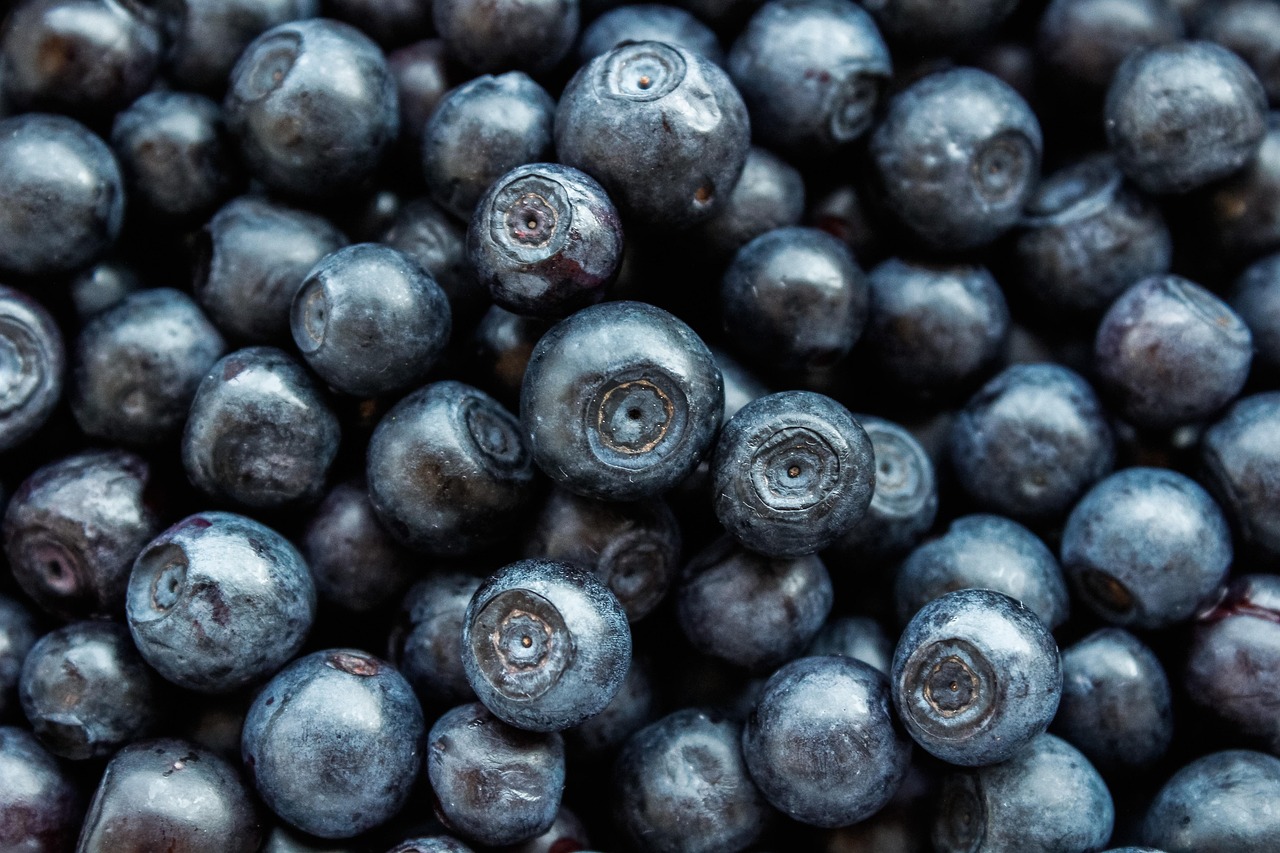
Blueberries: Often hailed as a superfood, they are rich in antioxidants.
Strawberries: High in vitamin C and anti-inflammatory compounds.
Raspberries: Provide ellagic acid, another potent antioxidant