
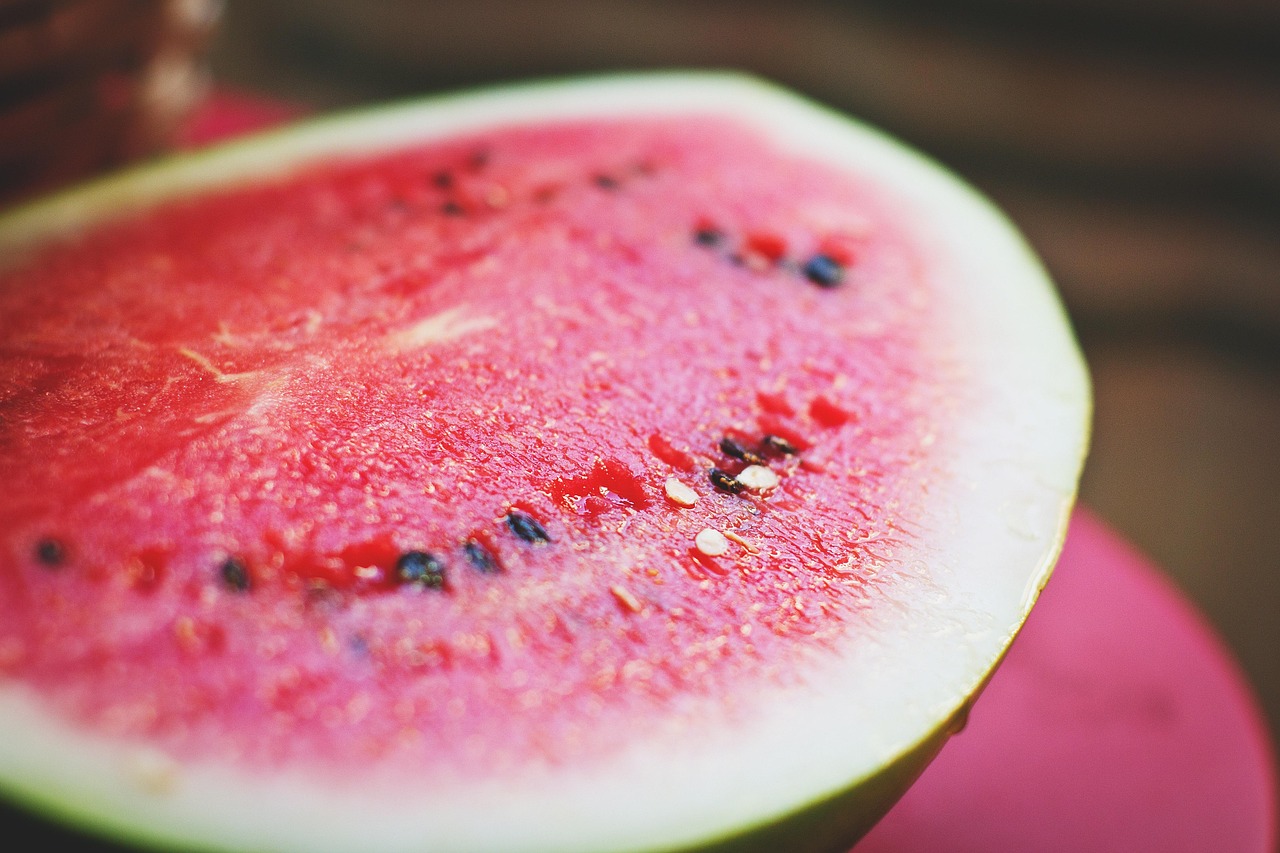
Our bodies are magnificent machines, and like any complex system, they require the right fuel and maintenance to perform optimally. At the core of this maintenance lies something incredibly simple yet profoundly powerful: water. Often overlooked in our busy lives, proper hydration is the silent architect of our well-being, influencing everything from our energy levels and mood to our physical performance and cognitive function. But staying adequately hydrated isn’t just about guzzling glasses of water; it’s a holistic approach that includes mindful drinking habits and incorporating delicious, water-rich foods into our daily diet. Let’s dive into the essential tips and tasty options to keep your body thriving and perfectly hydrated.
Why Hydration Matters: The Core Benefits
Understanding the “why” behind proper hydration is the first step towards making it a priority. Water is involved in virtually every bodily function, making its consistent intake non-negotiable for optimal health and wellness.
Physical Performance and Energy
Adequate hydration is critical for maintaining peak physical performance, whether you’re an athlete or simply navigating your daily routine. Water lubricates joints, regulates body temperature through sweat, and transports nutrients and oxygen to your muscles.
Reduced Fatigue: Even mild dehydration can lead to a drop in energy levels, causing fatigue and sluggishness.
Enhanced Endurance: Studies show that a fluid loss of just 2% of body weight can impair performance by increasing perceived effort and reducing endurance.
Muscle Function: Water is essential for muscle contraction and preventing cramps.
Cognitive Function and Mood
Your brain is approximately 75% water, so it’s no surprise that hydration plays a vital role in cognitive processes. Staying well-hydrated can significantly impact your mental clarity and emotional state.
Improved Concentration: Proper hydration supports neurotransmitter function, which is crucial for focus and attention.
Better Memory: Dehydration can impair short-term memory and the ability to process information.
Mood Regulation: Research suggests a link between dehydration and increased irritability, anxiety, and even depression.
Skin Health and Appearance
Often called “the body’s largest organ,” your skin relies heavily on water to maintain its elasticity, suppleness, and overall health.
Radiant Complexion: Hydration helps flush out toxins, leading to clearer, healthier-looking skin.
Reduced Wrinkles: Well-hydrated skin cells are plumper, which can minimize the appearance of fine lines and wrinkles.
Faster Healing: Water aids in the repair and regeneration of skin cells, supporting faster healing of wounds and blemishes.
Digestion and Detoxification
Water acts as a vital transport system within your body, facilitating digestion, nutrient absorption, and waste elimination.
Smooth Digestion: Water helps break down food, allowing nutrients to be absorbed more efficiently, and softens stool, preventing constipation.
Kidney Function: Your kidneys need sufficient water to filter waste products from your blood and excrete them as urine.
Nutrient Transport: Water acts as a solvent, carrying essential vitamins, minerals, and glucose to cells throughout the body.
How Much Water Do You Really Need? Understanding Your Daily Intake
The age-old advice of “eight glasses a day” is a good starting point, but your individual hydration needs are more nuanced. Several factors influence how much water your body truly requires.
General Guidelines
For a healthy adult, the U.S. National Academies of Sciences, Engineering, and Medicine suggests an adequate daily fluid intake of:
About 15.5 cups (3.7 liters) of fluids a day for men.
About 11.5 cups (2.7 liters) of fluids a day for women.
It’s important to remember that this includes fluids from water, other beverages, and food. Approximately 20% of your daily fluid intake typically comes from food.
Factors Influencing Your Needs
Your daily water requirement isn’t static; it fluctuates based on various lifestyle and environmental factors.
Activity Level: If you exercise vigorously or engage in physically demanding work, you’ll need to drink more to compensate for fluid loss through sweat.
Climate: Hot and humid weather increases sweat production, necessitating higher fluid intake. Similarly, dry climates can also increase fluid loss.
Health Status: Fever, vomiting, diarrhea, or certain medical conditions (like kidney stones or urinary tract infections) can increase your need for fluids. Pregnancy and breastfeeding also significantly raise hydration requirements.
Diet: A diet rich in salty, sugary, or processed foods can increase your body’s demand for water. Conversely, a diet high in water-rich fruits and vegetables can contribute significantly to your fluid intake.
Monitoring Your Hydration
The best way to gauge your hydration status is to listen to your body and observe its signals.
Urine Color: A pale yellow or straw-colored urine indicates good hydration. Darker yellow or amber urine suggests you need to drink more water.
Thirst Cues: While thirst is a reliable indicator, it often means you’re already slightly dehydrated. Aim to drink consistently throughout the day before intense thirst sets in.
Energy Levels: Pay attention to feelings of fatigue or brain fog, which can be early signs of dehydration.
Beyond the Glass: Smart Hydration Tips for Your Day
Making hydration a habit requires conscious effort and strategic planning. Here are practical tips to integrate more fluids into your daily routine effortlessly.
Schedule Your Sips
Don’t wait until you’re parched. Proactive drinking is key to consistent hydration.
Start Early: Drink a glass of water first thing in the morning to rehydrate after sleep and kickstart your metabolism.
Set Reminders: Use a water tracking app or set alarms on your phone to remind you to drink throughout the day.
Pair with Activities: Link drinking water to routine activities like brushing your teeth, before meals, or after bathroom breaks.
- Carry a Reusable Bottle: Keep a water bottle with you at all times – at your desk